
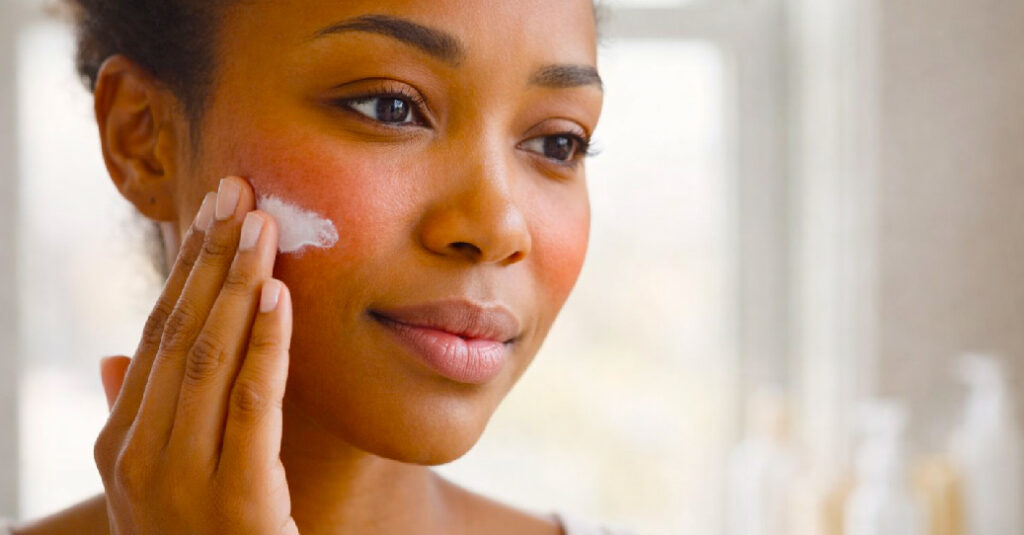
If you have sensitive skin, you already know the struggle.
You don’t even get excited about new skincare anymore.
You get nervous.
Because one wrong product and—boom.
Redness. Burning. Tiny bumps. That uncomfortable tight feeling that lasts all day.
Sunscreen?
Honestly, that’s where most people with sensitive skin give up.
But skipping sunscreen isn’t the answer. It never was.
So let’s talk about what actually works for sensitive skin in 2026. No hype. No fear-mongering. Just real, gentle protection.
Why Sensitive Skin and the Sun Don’t Mix Well
Sensitive skin reacts faster. Stronger. Louder.
And UV exposure makes all of it worse.
Sun damage can:
-
- Trigger redness out of nowhere
-
- Make rosacea flare
-
- Weaken your skin barrier
-
- Slow down healing
-
- Make your skin more reactive over time
A lot of dermatologists agree on this:
Sensitive skin needs sun protection even more than “normal” skin.
Yes, even if you stay indoors most of the day.
Yes, even if it’s cloudy.
What Sensitive Skin Really Means (Because It’s Not One Thing)
Not all sensitive skin looks the same.
You might:
-
- Feel burning when you apply products
-
- Get red patches easily
-
- React to fragrance or essential oils
-
- Have rosacea, eczema, or post-acne sensitivity
-
- Break out when your barrier is stressed
That’s why sunscreen shopping feels so confusing.
What works for one person might be a disaster for another.
What to Look for in a Sunscreen If Your Skin Is Sensitive
Forget fancy claims. Focus on basics.
Fragrance-Free. Always.
Even “natural” fragrance can trigger irritation.
Sensitive skin doesn’t care if it smells nice.
Short Ingredient List
More ingredients = more chances something goes wrong.
Mineral Filters (Usually Safer)
Zinc oxide and titanium dioxide sit on top of the skin.
Less penetration. Less sting.
Barrier-Friendly Extras
Ingredients that actually help:
-
- Zinc oxide
-
- Ceramides
-
- Glycerin
-
- Squalane
-
- Low-dose niacinamide
SPF 30 or Higher
Higher SPF doesn’t mean harsher. It just means better protection.
Mineral vs Chemical Sunscreen (Real Talk)
This matters.
Mineral Sunscreens
They reflect UV rays instead of absorbing them.
Why sensitive skin likes them:
-
- Less stinging
-
- Better for redness
-
- Safer around eyes
Downside:
-
- Can feel thicker
-
- Might leave a white cast
Chemical Sunscreens
They absorb UV rays and convert them to heat.
Pros:
-
- Lightweight
-
- Invisible finish
Cons:
-
- Can burn or sting sensitive skin
-
- Often irritate eyes
 If your skin reacts easily, mineral or hybrid sunscreens are usually the safer bet.
Sensitive Skin Sunscreens That Women Actually Trust (2026)
These aren’t trendy picks.
They’re consistent. Gentle. Reliable.
EltaMD UV Physical SPF 41
A classic for a reason.
-
- 100% mineral
-
- No fragrance
-
- Calms instead of irritates
This is one of those “I stopped experimenting after this” sunscreens.
La Roche-Posay Anthelios Mineral SPF 50
Great if redness is your main issue.
-
- Simple formula
-
- Strong protection
-
- Dermatologist favorite
Especially good if your skin flares easily in the sun.
CeraVe Hydrating Mineral SPF 30
Sensitive and dry? This helps.
-
- Ceramides support the barrier
-
- Gentle, creamy texture
-
- Affordable and easy to find
Not fancy. Just works.
Vanicream Mineral Sunscreen SPF 50
For extremely reactive skin.
-
- No fragrance
-
- No dyes
-
- No unnecessary extras
If most products break you out or burn—start here.
Blue Lizard Sensitive SPF 50+
Perfect for long outdoor days.
-
- Strong mineral protection
-
- Water-resistant
-
- Good for beach, walks, travel
Not the lightest, but very dependable.
How to Apply Sunscreen Without Irritating Sensitive Skin
This part matters more than people think.
Here’s what works better:
-
- Cleanse gently (no harsh foaming)
-
- Apply a light moisturizer first
-
- Use two finger-lengths of sunscreen
-
- Pat it in—don’t rub aggressively
-
- Give it a minute before makeup
Skipping moisturizer often makes sunscreen sting more.
Dry skin = more irritation.
Common Mistakes Sensitive Skin Types Make
You’re not doing anything “wrong.”
These are just easy mistakes.
-
- Trying too many new products at once
-
- Using fragranced sunscreens
-
- Rubbing sunscreen in too hard
-
- Giving up after one bad reaction
-
- Not patch-testing
Sometimes one small change makes a huge difference.
A Simple Morning Routine for Sensitive Skin
You don’t need 10 steps.
Morning:
-
- Gentle cleanser
-
- Barrier-friendly moisturizer
-
- Mineral sunscreen SPF 30+
-
- Optional: tinted mineral sunscreen instead of foundation
Reapplication:
-
- Blot oil gently
-
- Use mineral powder or liquid sunscreen
-
- No aggressive rubbing
Simple routines keep sensitive skin calmer.
Does Sensitive Skin Really Need Sunscreen Every Day?
Yes. Even when it’s annoying.
Daily sun protection actually helps sensitive skin heal over time by reducing constant UV stress.
The key isn’t avoiding sunscreen.
It’s finding one your skin tolerates.
FAQs (Real Questions People Ask)
Why does sunscreen burn my skin?
Usually fragrance, alcohol, or chemical filters.
Is mineral sunscreen always better?
Not always—but it’s usually safer for reactive skin.
Can sunscreen cause breakouts?
Yes, if it’s heavy or pore-clogging. Look for non-comedogenic formulas.
Why do my eyes sting?
Chemical filters migrate. Mineral sunscreens help.
Is SPF 50 too strong?
No. It’s just more protection, not harsher.
Final Thoughts
Sensitive skin isn’t “difficult.”
It’s just honest.
If a sunscreen burns, your skin is telling you something.
Listen to it.
In 2026, there are plenty of gentle sunscreens that protect without drama. You don’t have to choose between comfort and protection anymore. Find one that feels calm.
Stick with it.
And stop blaming your skin.

Jessica Brooks writes the skincare guides on BelleNora. Her articles are based on published dermatology guidelines, research studies, and product ingredient lists. Content is for education only and is not medical advice.