
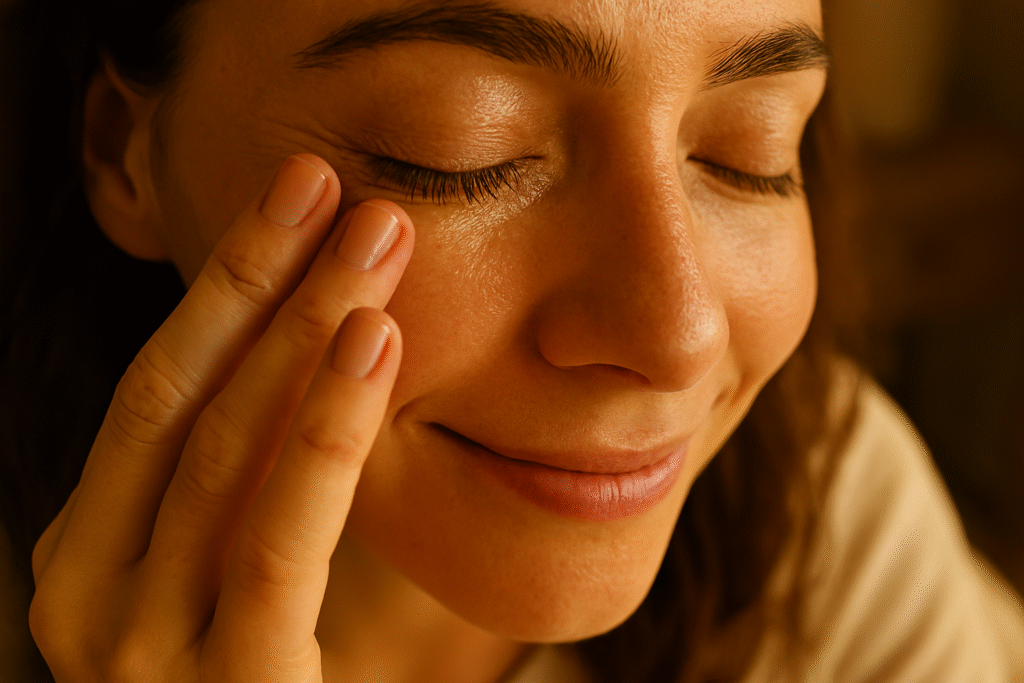
For many women, the under-eye area is the first to show changes, often before forehead lines or smile creases. One morning, fine lines may appear deeper, makeup settles into lines, and the skin looks tired despite a full night’s sleep.
Often, this is not aging alone—it’s under-eye skin dehydration after 30, a natural and often overlooked process. At BelleNora, we notice many women in their early 30s observing subtle under-eye changes even when the rest of their skin is healthy. The reason? The skin under the eyes is structurally different from the rest of the face.
Why Under-Eye Skin Loses Moisture Quickly
The under-eye skin is unique:
-
- Up to 10x thinner than the rest of the face
-
- Naturally low in oil glands
-
- Constantly in motion from blinking, smiling, and squinting
This delicate skin struggles to retain moisture, making it prone to dryness, crepiness, and fine lines—even before collagen loss is noticeable.
Key Term: Transepidermal Water Loss (TEWL) — the scientific term for moisture loss. When water escapes faster than it can be replenished, under-eye skin appears fragile and lined.
Signs Your Under-Eye Concerns Are Dehydration, Not Aging
Fine lines aren’t always aging. Dehydration shows through:
-
- Lines that smooth temporarily after applying moisturizer
-
- Skin that feels tight but not sagging
-
- More visible in dry climates or air-conditioned rooms
-
- Makeup settling quickly into fine lines
Tip: Aging lines are permanent and less responsive to hydration.
Why Under-Eye Skin Looks Worse in the Morning
During sleep, fluid shifts affect under-eye skin:
-
- Lymphatic drainage slows
-
- Mild puffiness stretches already thin skin
-
- Dehydration becomes temporarily visible
Small Image Prompt:
Soft morning light on woman’s face, under-eye area showing subtle puffiness, realistic skin texture, editorial skincare style.
Alt Text: Under-eye puffiness in the morning
Everyday Habits That Dehydrate Under-Eyes
Common routines can worsen dehydration over time:
-
- Washing the face with hot water
-
- Letting foaming cleansers run into the eye area
-
- Excessive caffeine or salty foods
-
- Sleeping with constant air conditioning
-
- Rubbing eyes while removing makeup
Hydration-First Under-Eye Care After 30
Gentle, consistent hydration works better than aggressive anti-aging products. Look for:
-
- Glycerin: Attracts water to skin
-
- Ceramides: Repairs the skin barrier
-
- Squalane: Locks in moisture
-
- Low-irritation Hyaluronic Acid: Deep hydration
Why Many Anti-Aging Eye Creams Fail
Strong actives promise quick results, but under-eye skin reacts poorly:
-
- Barrier damage
-
- Increased dryness
-
- Crepey, fragile texture
Gentle formulas applied consistently often outperform aggressive products over time.
Realistic Results Timeline
-
- 1–2 weeks: Improved comfort, reduced tightness
-
- 3–4 weeks: Softer texture, noticeable hydration
-
- 6–8 weeks: Reduced crepiness, fine lines appear smoother
Hydration repair is gradual — a sign of healthy improvement.
Additional Tips for Healthy Under-Eyes
-
- Sleep slightly elevated to reduce puffiness
-
- Manage screen time to lower eye strain
-
- Remove makeup gently to avoid tugging
-
- Maintain consistent sleep routines
Small, consistent habits compound over time, enhancing hydration and under-eye appearance.
Mistakes to Avoid
-
- Rubbing eyes aggressively
-
- Layering too many products at once
-
- Chasing instant results
-
- Frequently switching eye creams
Under-eye skin responds best to patience and gentle care.
Final Thoughts
Under-eye changes after 30 are natural, not a failure of skincare. With the right hydration-focused approach, under-eye skin can look smoother, healthier, and more resilient — without extreme treatments.
Internal Link / CTA: Check out BelleNora’s hydrating eye creams for gentle, effective care.
FAQs About Under-Eye Dehydration After 30
Q1: How do I know if my under-eye lines are dehydration or aging?
A: Lines that temporarily smooth with moisturizer and feel tight but not saggy indicate dehydration. Aging lines are permanent.
Q2: Can I use any eye cream for under-eye dehydration?
A: No, gentle hydration-focused creams with glycerin, squalane, and hyaluronic acid are best. Avoid strong actives.
Q3: Why do under-eyes look worse in the morning?
A: Fluid shifts during sleep and slow lymphatic drainage make lines and puffiness more visible.
Q4: How long until I see results?
A: 1–2 weeks: comfort improves; 3–4 weeks: softer texture; 6–8 weeks: lines smoother and hydrated.
Q5: Can lifestyle habits impact under-eye hydration?
A: Yes, hot water washing, rubbing eyes, excess caffeine, and air conditioning worsen dehydration over time.
Use the WordPress FAQ block for structured schema markup to boost SEO and rich snippets.

Jessica Brooks writes the skincare guides on BelleNora. Her articles are based on published dermatology guidelines, research studies, and product ingredient lists. Content is for education only and is not medical advice.