
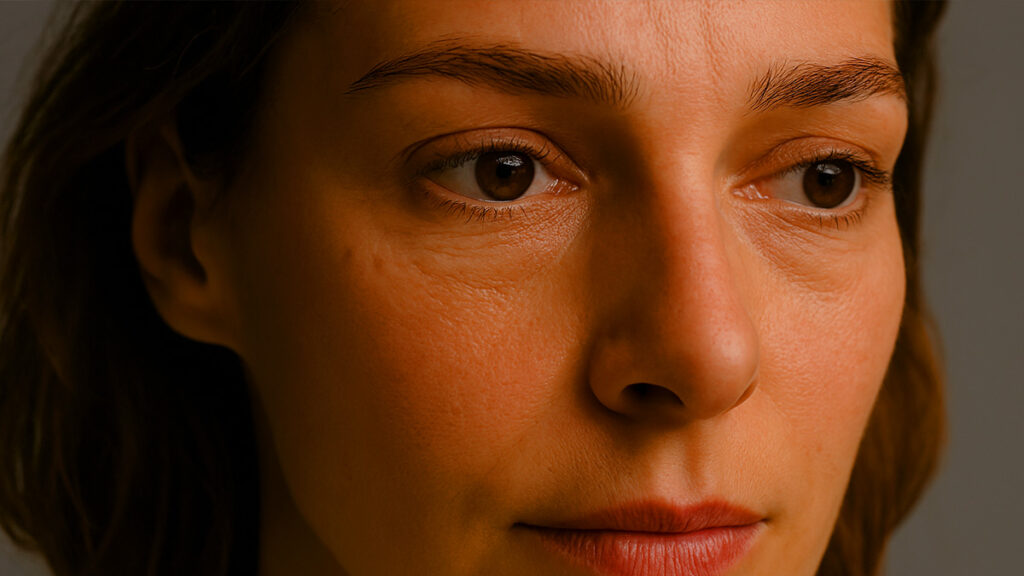
Under-eye skin aging after 30 is often one of the first visible signs of facial aging, even when the rest of the skin still looks healthy.
Sleep hasn’t changed much. Skincare routines feel the same. Diet is mostly consistent.
So why does the mirror suddenly feel harsher?
The truth is simple but rarely explained: under-eye skin is often the first place where aging becomes visible, and it has very little to do with doing something “wrong.”
At BelleNora, we see this concern come up again and again — especially among women who otherwise have healthy, balanced skin. Understanding why it happens is the first step toward caring for under-eye skin gently and realistically.
Under-Eye Skin Is Not Like the Rest of Your Face
This is the most overlooked fact in skincare.
The skin under your eyes is:
- Up to 10 times thinner than the skin on the rest of your face
- Naturally low in oil glands
- Constantly moving (blinking, smiling, squinting)
Because of this, under-eye skin loses moisture faster, shows collagen changes sooner, and reacts more strongly to products — which is why gentle cleansers for sensitive skin are especially important for long-term skin comfort.
Why Does Under-Eye Skin Age Faster After 30?
1. Collagen Decline Starts Earlier Than Most People Expect
In the late 20s to early 30s, collagen production naturally begins to slow down. This doesn’t mean sudden aging — but thinner skin areas feel the effects first.
Common changes include:
- Fine lines that don’t disappear with moisturizer
- Crepey or fragile texture
- Slight hollowness or shadowing
Dermatology research consistently shows that thinner skin zones experience collagen loss earlier than thicker facial areas.
2. Dehydration Shows Instantly Under the Eyes
Even mild dehydration can make under-eye skin look older within hours.
Common triggers include:
- Not drinking enough water
- Excess caffeine or salty foods
- Sleeping in dry air (air conditioning or heating)
This is why under-eye lines often look more noticeable in the morning or after long, tiring days.
3. Sun Exposure Adds Up Faster Than You Realize
Many people apply sunscreen carefully to the face — but avoid the eye area due to irritation or stinging.
Over time, even indirect sun exposure leads to:
- Faster collagen breakdown
- Thinner under-eye skin texture
- Premature fine lines
This accumulated exposure quietly accelerates under-eye aging.
4. Overusing Strong Skincare Products Near the Eyes
This surprises many women.
Using strong actives such as:
- High-strength retinol
- Exfoliating acids
- Active-heavy serums
near the eyes can slowly weaken the skin barrier. Instead of smoothing wrinkles, this often results in dryness, crepey texture, and increased sensitivity.
Sometimes, less truly is more.
Why Treating Under-Eyes Like Face Skin Backfires
Face moisturizers and eye products are not interchangeable.
Facial skin can tolerate:
- Higher active concentrations
- Thicker textures
- Frequent exfoliation
Under-eye skin often cannot.
When this delicate area is overworked, the skin becomes fragile — making fine lines appear deeper rather than smoother.
What Really Helps Under-Eye Skin After 30
Not quick fixes. Not miracles.
Just consistent, gentle support.
1. Prioritize Barrier Repair First
Before targeting wrinkles, under-eye skin needs stability.
Look for ingredients such as:
- Ceramides
- Glycerin
- Squalane
- Low-irritation hyaluronic acid
A healthy skin barrier allows everything else to work better.
2. Choose Eye-Safe Actives (Not Aggressive Ones)
Gentle ingredients tend to perform better long-term:
- Peptides
- Low-concentration niacinamide
- Antioxidants like vitamin E
These support skin structure without stressing fragile tissue.
3. Hydration Often Works Better Than “Anti-Aging” Labels
Deep, consistent hydration softens fine lines more effectively than aggressive anti-aging claims.
Strength matters less than consistency.
4. Don’t Skip Sun Protection Near the Eyes
Mineral sunscreens are generally better tolerated around the eye area.
Even light, careful application helps slow visible aging significantly over time.
Lifestyle Habits That Make a Real Difference
Skincare helps — but daily habits quietly shape under-eye appearance too:
- Sleeping slightly elevated can reduce morning puffiness
- Managing screen time helps lower eye strain
- Removing makeup gently prevents repeated tugging
- Consistent sleep routines matter more than perfect schedules
Small habits compound.
Under-eye skin aging after 30 becomes noticeable faster because this area loses moisture and collagen sooner.
What to Avoid If You Want Healthier Under-Eyes
- Rubbing eyes aggressively
- Layering too many products
- Chasing instant results
- Switching eye creams too frequently
Under-eye skin responds best to patience.
When to Expect Visible Improvement
Most women notice:
- Better hydration within 1–2 weeks
- Softer texture within 3–4 weeks
- Reduced crepiness over 6–8 weeks
True collagen support takes time — progress should feel gradual, not dramatic.
The Bigger Picture
Under-eye changes after 30 are normal — not a failure of skincare.
They reflect biology, lifestyle, and years of accumulated exposure.
With the right approach, under-eye skin can look healthier, smoother, and more resilient — without extreme treatments.
At BelleNora, we believe caring for under-eye skin should feel supportive, calm, and realistic — never stressful or overwhelming.

Jessica Brooks writes the skincare guides on BelleNora. Her articles are based on published dermatology guidelines, research studies, and product ingredient lists. Content is for education only and is not medical advice.